
If you’re comparing Sweden and Denmark for your next move abroad, you may find it difficult to choose. To someone researching from the US, they can look incredibly similar: walkable cities, great coffee, high salaries, friendly people, and a quality of life that regularly ranks in the top five of international happiness charts. But once you dig a little deeper, the differences matter.
At Remitly, we hear from movers, dreamers, and immigrants every day. We know choosing a new country is about deciding where you’ll feel excited about your future. So, if you’re torn between Sweden and Denmark, this guide will walk you through what life really feels like in each place.
Cost of living in Sweden vs. Denmark
The cost of living in Sweden and Denmark is very slightly lower than the US average, but on a European salary, it can feel expensive. The cost of living compared to the US makes more sense when you see what you get in return, like healthcare access and efficient public transportation. All costs below are in USD.
| Category | New York City, USA | Stockholm, Sweden | Copenhagen, Denmark |
| Rent (1-bed city center) | ~$4,190 | ~$1,500 | ~$2,100 |
| Transit pass | ~$133 | ~$111 | ~$124 |
| Basic restaurant meal | ~$25 | ~$17 | ~$23 |
| Coffee | ~$6 | ~$5 | ~$7 |
Housing
Housing is usually the first reality check when comparing Sweden and Denmark. In Sweden, the rental system tends to be structured around a queue, and people can wait months or even years for permanent housing. Because of that, many newcomers start out in second-hand rentals.
Denmark works differently. You find a place more like you would in the US, through listings or agencies. It can feel simpler, but landlords sometimes ask for large deposits upfront, so the first few months may feel expensive.
Apartments in both countries tend to be smaller than what average Americans are used to. But the tradeoff is thoughtful design, clean spaces, and an almost universal obsession with natural light.
Groceries and dining
Groceries cost about the same in both countries. If you love organic snacks, oat milk lattes, and vegan options, you’ll fit right in. Eating out, however, can get pricey, especially in Denmark’s capital city. Most immigrants eventually develop a love-hate relationship with restaurant prices and end up cooking at home more often.
Transportation
Public transportation is easy to navigate in both countries. In Sweden, the system extends farther and connects cities across long distances. Denmark’s system is ranked highly as well, but you’ll soon realise that Copenhagen is a biking world. Many people ride year-round, even in winter.
Cost of settling in
Your first few months will probably be the most expensive. Visa fees, deposits, furniture, and winter clothes can add up quickly. The good news is that after the initial setup phase, things usually feel more predictable.
Think of this stage like a temporary investment rather than an ongoing cost. Once you’ve settled into housing and daily routines, your budget tends to stabilize, and life starts to feel much easier.

Work, career, and financial life in Sweden and Denmark
Sweden and Denmark both offer worker rights, strong benefits, fair pay, and companies that respect personal time.
Job markets and key industries
If you work in tech, healthcare, finance, sales, sustainability, or hospitality, Sweden might stand out. It’s home to brands like Spotify, Klarna, and Volvo, not to mention a thriving creative and research sector.
Denmark, on the other hand, is a hub for data analysis, software, cybersecurity, renewable energy, AI, and construction industries. Companies like Maersk and Novo Nordisk attract international talent from all over the world. The right country may come down to your industry more than personal preference.
Work culture
Sweden’s work culture tends to be calm and collaborative. Decisions are made collectively, and fika, Sweden’s built-in coffee break, happens at most workplaces.
Denmark feels a bit more direct. People are friendly, but communication is straightforward. Workplaces often feel social, and it’s common for colleagues to grab drinks together on Friday afternoons.
Both countries take work-life balance seriously. Evenings and weekends are usually treated as personal time, not unpaid overtime. Vacation time is generous in both countries, and parental leave is often longer and more flexible than what’s offered in the US. And you’ll find that remote and hybrid work arrangements are fairly normal, especially in the tech and digital sectors.
Daily finances
Once you receive your national ID number (personnummer in Sweden or CPR number in Denmark), everyday logistics get much easier. Banking, healthcare, and even gym memberships depend on that number.
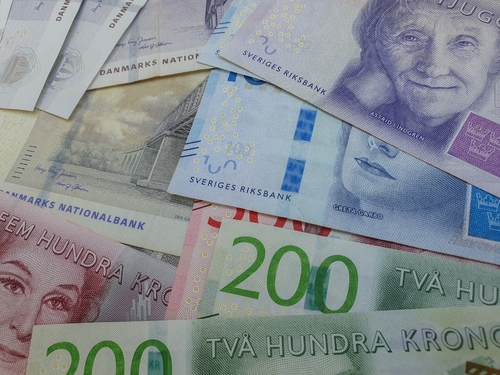
Cash is rarely used. Instead, Swish in Sweden and MobilePay in Denmark make bills, rent, and spontaneous purchases extremely easy. And when supporting family abroad becomes part of life, Remitly helps make sending money feel simple, secure, and routine.
Daily living in Denmark vs Sweden
On the surface, Sweden and Denmark seem culturally similar. But if you live in either country long enough, you’ll start to notice their unique values and ways of connecting with people.
Cultural mindset
Sweden leans into balance, calmness, and modesty. The idea of lagom, meaning “just right”, shows up everywhere from the workplace to home design. Sweden feels intentional, which creates a peaceful rhythm where life never feels rushed.
It can take a little time to adjust if you’re used to faster decision-making, but the slower pace often becomes one of the perks of living there.
Denmark, on the other hand, is all about coziness, presence, and shared warmth. Hygge is about enjoying the small things like candlelight on a cold night, a slow breakfast, or curling up with people you love.
Denmark feels homey. A lot of everyday life revolves around making ordinary moments feel special, which can make winters feel softer and more social.
Social life and connection
If you’re used to quick friendships and small talk, both countries may feel reserved at first. But once you’re included in someone’s circle, it’s genuine. People tend to value deep relationships over large social groups, which means friendships are often built slowly but intentionally.
Copenhagen tends to feel more social and extroverted, while Stockholm often feels calm and slightly more private. Neither style is better, just different. You may find that Denmark feels easier for spontaneous plans, while Sweden shines once you’ve formed a steady group of close friends.
Language
A lot of people speak English in both countries, so moving without knowing Swedish or Danish is possible. Still, learning the language helps with jobs, friendships, and navigating things like healthcare or humor. Most locals appreciate effort more than perfection, and small phrases can go a long way in everyday interactions.
There are free or subsidized language programs in both countries, which makes learning accessible. Even if you start out speaking English, most immigrants eventually switch to the local language because it helps them feel more at home and confident.
Nature and activities
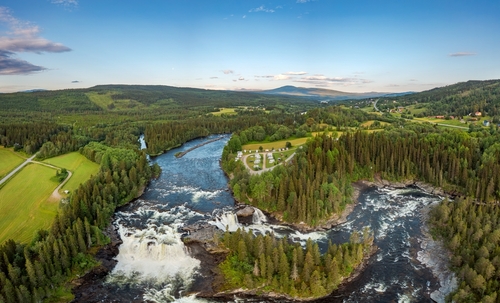
If you dream of forests, lakes, hiking trails, or seeing the Northern Lights, Sweden might speak to you. The “right to roam” law gives you freedom to explore nature almost anywhere, which makes weekend adventures easy and affordable.
If you prefer ocean views, cozy beaches, and exploring small islands by bike, Denmark may feel more like your pace. With thousands of miles of coastline and well-marked cycling routes, you never run out of places to explore. The landscape may be flatter, but the experiences feel rich, scenic, and accessible.
Housing, healthcare, and settling in
In both Sweden and Denmark, the setup phase can feel a little administrative at first. But once you’ve sorted paperwork and housing, you’ll find that life becomes surprisingly straightforward.
Housing experience
Most rentals are unfurnished, and apartments tend to be compact but well-designed. Minimalism isn’t just a trend in Scandinavia; it’s a lifestyle.
Storage is often limited, but organization is an art form. Settling into housing may take patience in both countries, especially in big cities. However, once you have a stable home, routines fall into place smoothly.
Healthcare
Both countries offer universal healthcare. After receiving residency and your national identification number, you can access services with minimal cost.
Prescription medications are subsidized, and basic medical appointments are affordable. However, dental care may require additional coverage, and wait times for mental health services can vary, especially in larger cities.
Immigration pathways and support
Visa processes differ depending on whether you’re moving for work, study, or family reasons. Processing times vary, so it’s recommended to use official government resources for Sweden and Denmark for the most current requirements. It can also be worthwhile to connect with others who’ve already gone through the process, since real-life insight often helps make everything feel less overwhelming.
Both countries offer language programs, integration support, and international communities. In cities like Malmö, Gothenburg, Stockholm, and Copenhagen, it’s easy to find expat groups, networking meetups, and workshops designed for newcomers. These spaces often become a helpful bridge between your new life abroad and the comfort of familiar connections.
Experiencing Sweden and Denmark before you decide
If your move isn’t rushed, taking a short trip, or even spending a weekend in each country, can make the choice feel a lot more personal and much less theoretical. Because the countries are so close, you can fly between Stockholm and Copenhagen in about an hour or take the scenic Öresund train. This way, you can get a real feel for each lifestyle without a huge commitment.
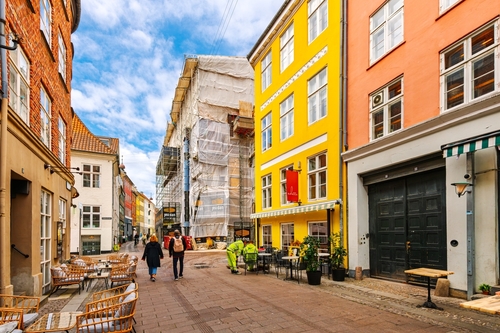
In Denmark, spending time biking through Copenhagen’s Nørrebro district, visiting a seaside sauna in Aarhus, or enjoying a cozy coffee shop in Frederiksberg can help you understand the warm, social rhythm of daily life. You could also explore the colorful houses of Nyhavn or walk through Tivoli Gardens, where the atmosphere feels playful, relaxed, and distinctly Danish.
Meanwhile in Sweden, exploring Stockholm’s peaceful Djurgården island, hiking in Gothenburg’s nearby forests, or sitting down for fika at a local bakery like one of Stockholm’s Vete-Katten cafés can help you feel the slower, balanced pace that many people grow to love. Visiting places like the old university city of Uppsala or the lakeside town of Dalarna can also give you a deeper sense of Sweden’s connection to nature, history, and tradition.
Which country fits your vibe?
Choosing between Sweden and Denmark ultimately comes down to which one feels right for you. Sweden may be a match if you picture calm routines, nature-filled weekends, and a culture built around balance. Denmark might feel like home if you imagine a cozy, social atmosphere, bike-friendly streets, and a warm sense of community.
Both countries offer safety, stability, and a great quality of life. As you decide, think about how you want life to look and feel day to day. And if you’re exploring more destinations or planning your move, the Remitly blog has guides and practical tips to support you along the way.
FAQs
Is Denmark more expensive than Sweden?
Yes, especially for eating out and rent. But the difference may not feel dramatic depending on your lifestyle.
Can I live in Sweden and Denmark without speaking the language?
Yes. Many people do. But learning Swedish or Danish makes daily life easier and helps with careers and community.
Which country is better for finding a job as an expat?
It depends on your field. Sweden is strong in tech and design. Denmark leads in science, energy, healthcare, and shipping.
What’s the biggest cultural difference between Denmark and Sweden?
Sweden feels calm and balanced, while Denmark feels cozy and socially open.