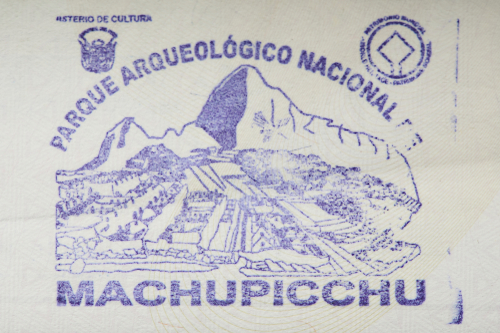

Ever felt that rush of excitement when you get a new souvenir stamp in your passport, travel notebook or journal?
For a long time, travelers loved collecting passport stamps, those little ink marks that showed where you’d been. But as more countries switch to digital border controls, passport stamps are slowly becoming a thing of the past.
The good news is, you can still keep the tradition of stamping your travels alive with souvenir stamps. Found at landmarks and museums, these are creative, unofficial stamps you can collect just for fun—no passport required.
Souvenir stamps are more than just mementos. They capture a destination’s culture, wildlife, and landmarks. Even a small collection can turn your notebook into a personal gallery of memories. That’s why we’ve created this guide at Remitly to highlight destinations with some of the most memorable souvenir stamps worth collecting.
What makes a souvenir stamp memorable?
Souvenir stamps stand out for their distinctive patterns, vibrant colors, and creative designs that reflect a destination’s identity and culture. What truly makes a souvenir stamp special is how well it captures the spirit of a place.
From the iconic outline of Machu Picchu to penguin-shaped stamps in Antarctica, each design becomes a meaningful reminder of the adventures you’ve had.
Top destinations with the world’s most memorable souvenir stamps
From ancient citadels to icy research stations, these destinations feature some of the best souvenir stamp designs:
Machu Picchu, Peru
Few souvenir stamps are as memorable as the one from Machu Picchu. It shows the iconic outline of the ancient Incan citadel framed by the Andes Mountains, perfectly capturing the beauty and mystery of Peru’s most famous landmark.
The stamp usually features the words “Santuario Histórico de Machu Picchu” along with an image of the terraced ruins, instantly recognizable to travelers around the world.
What sets it apart is that it’s not an official Peruvian immigration stamp; it’s a keepsake available at a small office near the entrance to Machu Picchu.
Only those who make the journey, whether by train, bus, or on foot along the Inca Trail, can get this stamp. For many travelers, it’s a proud badge of adventure and a lasting reminder of one of the world’s most breathtaking tourist destinations.
Antarctica
Getting a souvenir stamp from Antarctica is one of the rarest experiences in the world. This continent has no permanent residents or official immigration checkpoints. The stamps you collect here are unofficial souvenirs, but that’s exactly why they’re unique.
Different research stations and visitor centers, like Port Lockroy (UK), Esperanza Base (Argentina), and Palmer Station (US), each offer their own design.
Many feature penguins, seals, or the outline of the Antarctic continent, often stamped alongside the base’s name and coordinates. Each one reflects the station’s character and the country that operates it, making every stamp distinctive and highly collectible.
What makes an Antarctic stamp truly remarkable is its exclusivity. Only a small number of travelers, mostly those on scientific expeditions or specialized cruises, visit each year. Getting one isn’t just for fun, it’s a mark of exploration and endurance that proves you’ve reached one of the most remote places on Earth.
Galapagos Islands, Ecuador
A souvenir stamp from the Galapagos Islands is a dream keepsake for wildlife lovers. Usually stamped on arrival at airports like Baltra or San Cristóbal, it often features the iconic giant tortoise—the island’s most famous resident.
The Galapagos stamp stands out for its connection to one of the world’s most unique ecosystems. Every detail reflects the island’s commitment to conservation and their role in Charles Darwin’s groundbreaking discoveries. For travelers, this stamp is a mark of discovery that celebrates a visit to a living laboratory of evolution.
The Cayman Islands
The Cayman “Sir Turtle” stamp is one of the most recognizable and charming souvenir stamps. It features a charming image of a turtle wearing a top hat, known for its unique story and symbolism. Created by Suzy Soto in 1963, it was sold to the Cayman Island government in the 1970s for just one dollar.
While not an official passport entry stamp, Sir Turtle has become the island’s beloved mascot, representing friendliness, leisure, and adventure. It perfectly captures the Cayman mix of British charm and Caribbean spirit. For travelers, getting this stamp feels like a warm, sunny welcome to island life, relaxed, colorful, and full of character.
You can request this unique souvenir stamp from an immigration or customs officer at the airport upon arrival. Just like Sir Turtle, it’s a lighthearted reminder that travel can be fun and a little whimsical.
Japan
Souvenir stamps in Japan reflect the country’s character as elegant, minimalistic, and deeply symbolic. Designs featuring cherry blossoms (sakura) are especially popular, celebrating beauty, renewal, and the fleeting nature of life. Depending on the entry point, your stamp might include Mount Fuji, a pagoda, or stylized waves inspired by traditional Japanese art.
Available at train stations, temples, and landmarks, these stamps, known as eki stamps, offer a creative way to document your travels and preserve lasting memories. The appeal of Japanese souvenir stamps lies in their simplicity and cultural depth.
Rather than bold colors or elaborate patterns, they use clean lines and subtle details to convey meaning, much like Japanese design in architecture, fashion, and art.
The cherry blossom motif, often printed in soft red or pinkish-purple, captures Japan’s seasonal beauty and timeless respect for nature. Each stamp feels like a small work of art, blending tradition, design, and emotion in one elegant impression.
San Marino
San Marino’s official souvenir stamp is a true gem for travelers who love collecting unique designs. Unlike most countries, visitors can purchase this stamp at the official tourist office for a small fee, usually around €5 (a little over $5 USD), making it a fun and memorable keepsake.
The design often features San Marino’s coat of arms or the iconic Three Towers, Guaita, Cesta, and Montale, standing proudly atop Mount Titano. Its uniqueness lies in its story and exclusivity.
San Marino is one of the world’s smallest and oldest republics, completely surrounded by Italy. That’s why many visitors make a stop at the tourist office to get this elegant design added to their travel notebooks or journals.
The stamp’s intricate details reflect San Marino’s centuries-old independence and rich heritage. For collectors, it’s more than just a mark on paper. It’s a piece of history from a nation that proudly symbolizes freedom, tradition, and timeless charm.
Spain and the Camino de Santiago
If you’re looking for charming souvenir stamps and you enjoy hiking, too, the Camino de Santiago might be for you. This ancient pilgrimage route through Spain is a journey rich with history.
In Galicia, a green region in Spain’s northwest, stands a beautiful cathedral that has been the destination of pilgrimages for centuries. The cathedral of Santiago de Compostela is said to be the final resting place of Saint James the Apostle. Throughout the Middle Ages, Christians from all over Europe would leave their homes to embark on a long journey, on foot or on horseback, to visit the relics of Saint James and seek grace and forgiveness. This pilgrimage was so popular that, in the middle ages, Santiago with its grand cathedral was as important a pilgrimage destination as Rome and Jerusalem.
This journey is called the Camino de Santiago, or the Way of Saint James. Nowadays, hundreds of thousands of pilgrims still walk the Camino every year. While some still journey to Santiago for religious reasons, most modern pilgrims are simply looking to spend some time hiking or biking in nature, often seeking peace and time for reflection.
The journey can take anywhere from five days to several months, depending on where you choose to begin. Pilgrims receive a special pilgrim passport (credencial) that they fill with stamps at every stop they make along the Camino. At the end of your journey, you have a beautiful keepsake to remember your experience always.
Tips for collecting souvenir stamps
Whether you’re a seasoned traveler or just starting out, these tips can help you build a great souvenir stamp collection:
Ask before stamping
Not all destinations openly display their souvenir stamp stations. Some keep them behind the counter or ask you to get permission first. Just ask politely. It often leads to friendly conversations, and you might even get access to limited-edition designs.
Use quality ink and let it dry
If you’re traveling with your own ink pad, choose archival-quality ink that won’t fade or smear over time. After stamping, give the ink a few seconds to dry before closing your journal or stacking pages to prevent smudging.
Note the date and location
Write the date and place next to each stamp as soon as you get it. This small step makes it easy to remember where you got each one. It’s also helpful if you’re visiting multiple destinations in one trip.
Exchange or share with other collectors
There’s a growing online community of souvenir stamp enthusiasts who love trading impressions and sharing rare designs. You can join Facebook groups like the Eki Stamp Collectors.
Being part of these communities is a fun way to discover new destinations, exchange ideas, and keep your collection inspiring.
Turn your collection into art
When your journal starts to fill up, scan your favorite stamps and turn them into a framed collage, poster, or digital scrapbook. It’s a creative way to showcase your travels and relive your favorite memories.
Turn travel memories into ink and art with souvenir stamps
These souvenir stamps capture the memories, stories, and adventures of your travels. From the artistic charm of Japan’s eki stamps to the playful whimsy of the Cayman Islands’ Sir Turtle, each stamp tells a unique story and turns your passport into a personal travel diary.
Seeking out countries with the most memorable stamps adds an extra layer of excitement and accomplishment to any trip. Ready to start collecting these stamps? Plan your next journey, explore new destinations, and make your travel dreams a reality.
FAQs
Can I legally stamp my official passport with souvenir stamps?
No. Most souvenir stamps, like those from Machu Picchu, Antarctica, Cayman or Galapagos Islands, are unofficial and made for collectors. Some border officials might view them as unauthorized. To stay safe, use a travel notebook, journal, or a separate page for these stamps instead of your official passport.
How do I find souvenir stamps in countries I visit?
Souvenir stamps are often available at airports, tourist offices, train stations, or near major landmarks. Do a bit of research beforehand to see which spots offer collectible stamps, and always ask staff politely. Some are only available at specific visitor centers or offices.
Are there any particular rare or hard-to-get souvenir stamps?
Yes. Antarctica’s stamps are among the rarest. Antarctic stamps are limited to travelers visiting research stations or cruise expeditions.
Can children or non-travelers collect these stamps?
Yes. Kids can collect souvenir stamps at museums, cultural centers, and tourist spots. It’s a creative way to explore world cultures and landmarks while sparking curiosity about travel.
How can I preserve my souvenir stamps for the long-term?
To keep your stamps in great condition, use acid-free pages in a travel journal or a dedicated stamp book. Store your collection in a cool, dry place, away from sun and moisture, to help preserve the colors and prevent smudging over time.