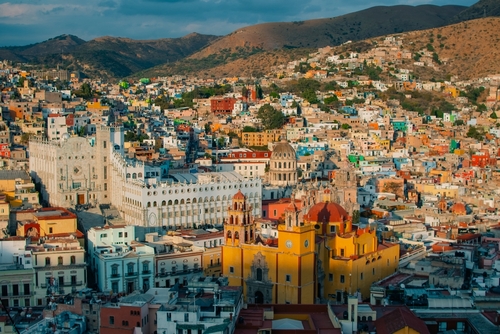

Maybe you’re looking for warmer weather and a slower pace. Maybe you’re curious about a lower cost of living or a stronger sense of community. Or maybe you’re simply feeling ready for a new experience.
Big moves can come with big feelings. Excitement, uncertainty, hope, and “Where do I even start?” tend to exist all at once. At Remitly, we understand that moving to Mexico from Canada is a major life transition. We’ve put together this guide to give you a clearer picture of what life in Mexico could be like. We’ll cover everything from visas to finances and healthcare, helping you make the move with clarity and confidence.
Visas and residency
Visas and residency are not-so-glamorous but necessary steps before you pack. Think of this step as setting the foundation before building the rest of your new life abroad.
Tourist permit (FMM): great if you’re exploring
Most Canadians enter Mexico on the FMM tourist permit. Officially, the FMM allows stays of up to 180 days, but immigration officers at the port of entry have full discretion. This means that there’s no guarantee of the full 180 days, and you could be granted fewer. Also, the FMM can’t be extended or renewed inside Mexico. Once it expires, you must leave the country and reapply.
The FMM can be a good way to explore for a few months while you figure out where you want to live and get a feel for life in Mexico. However, it isn’t intended as a long-term living solution. If you make frequent “visa runs”, you could face extra scrutiny from immigration officials.
Bear in mind that while remote work (as long as it’s for non-Mexican entities) is generally tolerated, it’s not officially legal and could be challenged by immigration.
Temporary residency: the option most long-term movers choose
If you’re planning to stay longer than six months, the Temporary Resident Visa is usually the appropriate path. This typically involves showing proof of steady income or savings (“economic solvency”). Once approved, you convert the visa into a residency card when you arrive in Mexico. Temporary residency generally allows you to travel in and out of Mexico freely for its duration, which is typically one year and renewable for up to four consecutive years.
Temporary residency doesn’t automatically give you the right to work. Again, remote work is tolerated, but you must not work for Mexican entities. If you have a job offer from a Mexican company, the application route is slightly different: Your Mexican employer must apply for your temporary visa with work permission on your behalf.
Permanent residency: when Mexico becomes home
Permanent residency is a suitable option if you see Mexico as a long-term or lifelong home. Some people qualify immediately based on financial requirements or family connections, while others spend several years on temporary residency before applying.
Reaching this stage offers greater stability, as there are no annual renewals and fewer administrative steps to maintain your status. However, qualification involves meeting strict financial thresholds that are significantly higher than those required for temporary residency. And once granted, you still need to notify officials of any changes in address, employment, or marital status.
Managing your finances
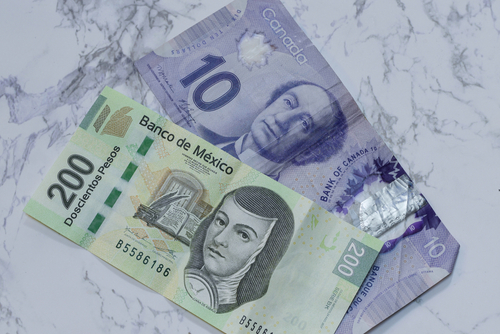
Money isn’t usually the part people get excited about when planning a move. But finances shape the way your transition feels, especially in those first few months when everything is new.
Banking in Mexico
Opening a bank account becomes much easier once you have temporary or permanent residency and the right documentation. This typically includes a valid ID, proof of residency, and proof of address in Mexico. If you’re staying in Mexico on a tourist visa or have no fixed address in Mexico, opening an account may be more difficult, though some banks may offer restricted account options.
Be prepared to visit the bank in person to set up an account, and note that you may need a Mexican taxpayer ID (RFC) to apply. It may feel like there are a few hurdles at first, but once you’re set up, everyday things like paying rent, settling bills, or transferring money locally start to feel easy.
Sending money between Canada and Mexico
If you still have financial ties in Canada, like student loans, a mortgage, savings, or family to support, you may need to move money across borders now and then. Traditional bank transfers are an option, but many newcomers find digital services easier to manage from abroad.
For example, Remitly offers transfers between Canada and Mexico. It keeps things simple when you’re juggling life in one country while still being connected to another.
Cost of living and taxes
Part of the appeal of moving from Canada to Mexico is the lower cost of living. In many cities, expenses like rent, groceries, public transport, and dining out can be lower compared to Canadian prices, leaving room for savings, travel, or leisure. However, costs vary by location; expat-friendly and popular areas, like Puerto Vallarta and Tulum, tend to be more expensive.
When it comes to taxes, your tax residency depends on factors like how much time you spend in Mexico, the ties you maintain in Canada, and where your income comes from. Spending more than 183 days per year in Mexico typically makes you a tax resident there. However, if you still have significant ties in Canada, such as a home, you may still be considered a tax resident there.
Canada and Mexico maintain a tax treaty to determine where your primary tax obligations lie. Speaking with a cross-border tax professional can help you gain clarity.
Healthcare in Mexico

Healthcare is one of those topics that naturally brings up questions when you’re thinking about moving abroad. Mexico offers several options.
Public healthcare
Mexico’s public healthcare systems, IMSS (Mexican Institute of Social Security) and ISSSTE (Institute of Social Security and Services for State Workers), provide low-cost medical services to residents. They’re useful for everyday needs, and many residents appreciate having them as part of their long-term plan.
Like any public system, some clinics are busier than others, and wait times can vary depending on the area and type of care. Still, for many Canadian expats in Mexico, simply knowing there’s an accessible system in place feels like a reassuring safety net.
Private healthcare
Private hospitals and clinics are easy to find in most cities, and many offer shorter wait times and English-speaking doctors, especially in areas with international communities. People often choose private care for specialist visits, dental appointments, everyday checkups, and unexpected medical needs.
One thing many Canadians notice right away is how affordable private care can be compared to systems they’re familiar with. What might feel expensive back home may feel far more manageable in Mexico.
Finding a balance
Many long-term residents end up using a mix of public and private care depending on the situation. They might use public services for routine needs and see private providers when something feels more urgent or specific.
Best places to live in Mexico

One of the most exciting parts of imagining life in Mexico is realizing just how many different atmospheres and communities exist across the country. There really isn’t one “right” place to move. The country is incredibly diverse, and every region has its own personality and pace.
Life in big, vibrant cities
Mexico City, often called CDMX, has become a favourite for remote workers, creatives, and anyone who thrives on culture and variety. In neighbourhoods like Roma Norte, Condesa, and Coyoacán, you’ll find cafés full of people writing or working, late-night food stands, art markets, and that feeling of constant movement and possibility.
Guadalajara and Monterrey offer a slightly different energy. They still have culture, coworking spaces, and growing international communities, but with a pace that feels a little more structured and a little less chaotic than the country’s capital.
Living near the ocean
If your heart beats faster at the idea of morning swims and sunset walks, then coastal Mexico may feel like exactly what you’ve been craving. Places like Puerto Vallarta, Sayulita, and Playa del Carmen have growing expat communities and a relaxed rhythm that many people slip into naturally.
Life by the water often feels softer; there’s space to breathe, reconnect with yourself, and enjoy simple routines like walking to the market or having coffee outdoors year-round.
Small cities full of art, history, and connection
Then there are the places that feel beautifully slow and deeply cultural. Cities like San Miguel de Allende, Oaxaca, or Querétaro are known for their colourful streets, artisan work, strong creative communities, and food that feels rooted in tradition and pride.
These towns tend to attract people who appreciate history, slower living, and intentional connection. People who want beauty woven into their everyday routines rather than constant movement or nightlife.
Finding a home in Mexico
Choosing where to live is one of the moments when everything starts to feel real, and it’s okay if you don’t have it figured out right away. You don’t have to rush into anything; sometimes, the best place is the one you discover after being there a while.
Renting while you settle in
Renting is a good place to start, as it gives you time to explore neighbourhoods and decide what kind of home feels right for you. Many Canadian expats in Mexico use well-known online portals to search for places, such as:
- Inmuebles24
- Vivaanuncios
- LaHaus
- Mercado Libre
Most rental contracts are written in Spanish and typically run for 12 months. Deposits are standard, typically equal to one month’s rent. Some landlords may ask for a guarantor (known as an “aval”) who owns property in Mexico. If you don’t have one, alternatives like higher deposits are often an option.
Buying when you’re ready
Buying a home is something many people consider later, once they feel settled. Foreigners can own property in Mexico. However, if the property is within a “Restricted Zone,” which is anything within 100 kilometres of the border or 50 kilometres of the coast, it must be bought through a “Fideicomiso.”
A Fideicomiso is a bank trust. It still grants you full ownership rights, but you won’t have direct title to the land. The Fideicomiso is issued for 50 years and can be renewed indefinitely, so it’s a secure investment.
Outside the restricted zones, you can buy property in your own name. A good lawyer and a licensed notary (“notario”) help ensure the process is clear and manageable.
Daily life and culture
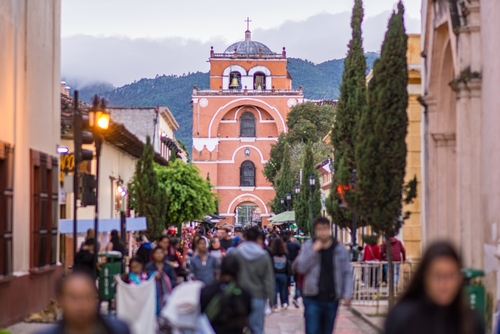
Daily life in Mexico often feels warm. People greet each other, linger in conversation, and show a genuine interest in connection. It may take a little time to adjust, but many newcomers find themselves softening into the slower rhythm without even trying.
Learning the language
You don’t need perfect Spanish to start building a life here. Most people pick up words and phrases through everyday moments like ordering food, chatting with neighbours, or asking for directions. Locals tend to appreciate effort more than accuracy, and little by little, you start surprising yourself with how much you understand. Your confidence grows naturally, without pressure.
Settling into a new pace
As you settle in, you’ll realize that life in Mexico often prioritizes presence over speed. For instance, meals aren’t rushed, plans are flexible, and time outdoors and shared experiences matter. At first, this shift may feel unfamiliar, especially if you’re used to busy schedules and hectic efficiency. But many people say the change brings more calm and a sense of breathing room that they didn’t realize they were missing.
Feeling safe as you find your routine
Like anywhere, some neighbourhoods feel safer than others, and taking time to get to know your surroundings can help everything feel more comfortable. Asking locals for guidance and paying attention to your instincts can help a lot. As you start to build your new routines and notice familiar faces, you’ll see that the unfamiliar becomes home.
The journey to Mexico begins
If you’re ready to take the next step toward your move from Canada to Mexico, start with something simple like checking visa requirements through the Mexican consulate or reading travel guidance from the Government of Canada. You might also find it reassuring to connect with others who’ve already made the move, just to hear what the transition felt like from the inside.
It may seem like a lot to figure out, but if you take it a step at a time, you’ll find your Mexican dream is closer than you think.
FAQs
Can I work in Mexico while on a tourist visa?
Generally, no. You’ll need a visa permitting work if you plan to work locally. Remote work for an employer outside Mexico is more common during the early stages of moving, but it’s still important to check current regulations before making decisions.
Do I need to give up Canadian citizenship?
No. Moving to Mexico doesn’t require you to renounce your Canadian citizenship. Many people happily maintain ties to both countries.
Is it safe to move alone?
A lot of solo movers say they feel increasingly comfortable once they learn their neighbourhood, build routines, and get to know the community.
How long does it take to get residency?
The timeline varies depending on your visa category, consulate workload, and processing steps. Some people complete the process in weeks, while others need a few months.