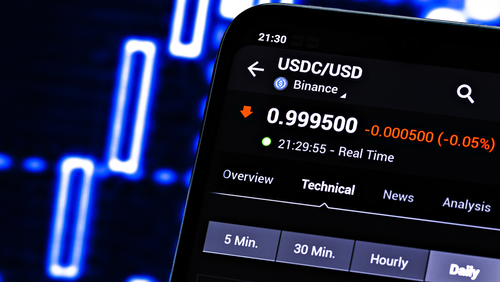

Finding a secure place to store your digital currency is essential. If you own USD Coin (USDC), you need a compatible wallet that keeps your assets safe while allowing you to send, receive, and manage them easily.
This guide will explain what a USDC wallet is and how to choose the right one for your needs. We will cover the different types of wallets available and list some of the most reliable options on the market. By the end, you will have the information you need to select a wallet with confidence.
What is a USDC Wallet?
A USDC wallet is a digital wallet that allows you to store and manage your USD Coin. Since USDC is a stablecoin that runs on multiple blockchain networks, a compatible wallet must support the specific network your USDC is on, such as Ethereum (ERC-20), Solana, or Polygon.
Think of it like a bank account for your digital currency. It provides you with a unique address to receive funds and lets you send USDC to others. Good wallets also offer security features to protect your assets from unauthorized access.
Types of USDC Wallets
There are several types of wallets, each offering different levels of security and convenience. Understanding the differences will help you choose the best fit for you.
Software Wallets (Hot Wallets)
Software wallets are applications you can install on your computer or smartphone. They are often called “hot wallets” because they are connected to the internet, which makes sending and receiving crypto quick and easy.
- Desktop Wallets: These are installed on your laptop or desktop computer, giving you full control over your funds.
- Mobile Wallets: These are apps for your smartphone, allowing you to manage your USDC on the go. They are very convenient for daily transactions.
- Web Wallets: These are accessed through a web browser and are often the simplest to use. However, they can be less secure if the provider’s servers are compromised.
Software wallets are great for beginners and those who need frequent access to their funds.
Hardware Wallets (Cold Wallets)
Hardware wallets are physical devices that store your private keys offline. They are known as “cold wallets” because they are not connected to the internet, which makes them highly secure against online threats like hacking and malware.
When you want to make a transaction, you connect the device to your computer or phone, approve the transaction on the device itself, and then disconnect. This process ensures your keys are never exposed online. Hardware wallets are the recommended choice for storing large amounts of cryptocurrency or for long-term holding.
Exchange Wallets
When you buy USDC on a cryptocurrency exchange like Coinbase or Binance, the funds are typically held in a wallet provided by the exchange. While this is convenient for trading, it means you do not have full control over your private keys. The exchange holds them for you.
This is known as a custodial wallet. It is generally not recommended to store large amounts of crypto on an exchange long-term, as exchanges can be targets for hackers.
How to Choose a USDC Wallet
Selecting the right wallet depends on your priorities. Here are the key factors to consider:
Security Features
Security is the most important aspect of any crypto wallet. Look for wallets that offer features like two-factor authentication (2FA), PIN codes, and biometric verification (fingerprint or face ID). For hardware wallets, ensure the device is purchased from the official manufacturer to avoid tampering.
You should also check if the wallet gives you control over your private keys. A non-custodial wallet ensures that only you can access your funds.
Blockchain Support
USDC is available on several different blockchains. The most common is Ethereum, where USDC exists as an ERC-20 token. However, it is also on other networks like Solana, Polygon, Avalanche, and TRON. Make sure the wallet you choose supports the specific blockchain network your USDC is on. Most popular wallets support multiple networks, but it’s always best to check.
Ease of Use
A good wallet should have a clean, intuitive interface that makes it easy to navigate. Sending, receiving, and checking your balance should be straightforward. If you are new to crypto, look for a wallet with a simple setup process and clear instructions.
Customer Support
If you run into any issues, reliable customer support is crucial. Check what kind of support options the wallet provider offers, such as email, live chat, or a comprehensive help center. Reading user reviews can give you an idea of how responsive and helpful their support team is.
Popular USDC Compatible Wallets
Here are some of the most trusted and widely used wallets that support USDC:
Trust Wallet
Trust Wallet is a popular mobile wallet that supports a vast range of cryptocurrencies, including USDC on multiple blockchains. It is non-custodial, meaning you have full control of your private keys. Its user-friendly interface makes it a great option for beginners, and it includes a built-in browser for accessing decentralized applications (dApps).
MetaMask
MetaMask is one of the most popular wallets for interacting with the Ethereum ecosystem. It is available as a browser extension and a mobile app. While it was originally for Ethereum, MetaMask can be configured to support other networks where USDC is available, like Polygon and Avalanche. It is a favorite among those who use dApps and DeFi platforms.
Ledger
Ledger is a leading manufacturer of hardware wallets, with popular models like the Ledger Nano S Plus and Ledger Nano X. These devices offer top-tier security by keeping your private keys offline. You can manage your USDC through the Ledger Live application, which provides a secure and user-friendly interface for your desktop or mobile device.
Trezor
Trezor is another highly respected hardware wallet brand. Like Ledger, Trezor devices store your private keys offline, protecting them from online threats. The Trezor Model One and Model T both support USDC and can be managed through the Trezor Suite application. It’s a strong choice for anyone prioritizing security for their long-term holdings.
Coinbase Wallet
Coinbase offers a non-custodial wallet that is separate from its exchange. Coinbase Wallet gives you full control over your private keys while integrating smoothly with the Coinbase exchange. It supports thousands of tokens, including USDC on various networks, and provides a simple way to explore the world of dApps and DeFi.
Securing Your Digital Assets
Choosing a reliable USDC wallet is the first step toward securing your digital assets. No matter which wallet you select, remember to follow security best practices. Always keep your private keys and recovery phrase in a safe, offline location. Never share them with anyone, and be cautious of phishing scams.
By taking these precautions and selecting a wallet that fits your needs, you can manage your USDC with peace of mind
Frequently Asked Questions (FAQs)
What is USDC?
USDC (USD Coin) is a type of stablecoin that is pegged to the value of the US dollar. This means that 1 USDC is intended to always equal $1, providing a reliable digital currency for transactions and storage.
Are hardware wallets better than software wallets for storing USDC?
Hardware wallets are generally considered more secure because they store your private keys offline, protecting them from online threats like hacking or malware. However, software wallets can still be a good option for everyday transactions or if you prefer convenient access on your mobile or desktop.
Can I recover my USDC if I lose my wallet?
You can recover your USDC if you have securely stored your recovery phrase or seed phrase. This phrase allows you to restore access to your wallet on a new device. If you lose this information, recovering your funds may not be possible.
Is there a fee for sending or receiving USDC?
While USDC itself does not charge fees for transactions, you might still incur blockchain network fees (e.g., Ethereum gas fees) depending on the network you use for the transaction.
How do I choose the best wallet for USDC?
The best wallet for USDC depends on your specific needs. Hardware wallets are ideal for long-term storage and maximum security, while software wallets are more suited for active trading and frequent transactions. Consider factors like security, ease of use, and compatibility with the blockchain network you plan to use.
Is USDC safe to use?
USDC is designed to be a secure and stable digital currency. It is backed by reserves of fiat currency and is audited regularly to ensure transparency and trustworthiness. However, your safety also depends on how well you secure your wallet and private keys.