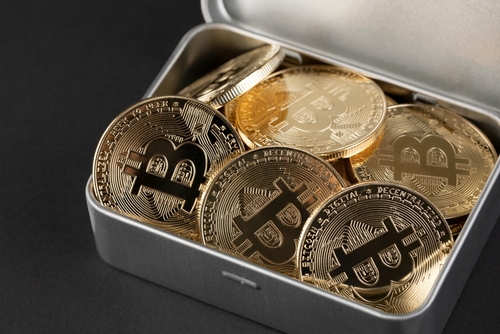

Cryptocurrencies like Bitcoin offer exciting possibilities, but their prices can change quickly. This can be worrying if you’re looking for a more predictable way to manage your digital money. This is where stablecoins come in. They are designed to hold a steady value, offering a different kind of digital asset.
Understanding the difference between stablecoin vs. Bitcoin is important for anyone interested in cryptocurrency. Bitcoin is known for its potential to grow in value, but it also comes with higher risk due to price swings. Stablecoins, on the other hand, aim to provide the benefits of digital currency—like fast, global transactions—without the volatility. This guide will explain how each works, their main differences, and what to consider when deciding which might be a better fit for your financial goals.
What is Bitcoin?
Bitcoin is the world’s first decentralized digital currency. Created in 2009 by an unknown person or group using the name Satoshi Nakamoto, it operates on a technology called blockchain. A blockchain is a public ledger that records all transactions. Because it’s decentralized, no single entity like a bank or government controls it.
How Bitcoin Works
- Peer-to-Peer Network: Transactions are made directly between users without an intermediary.
- Mining: New bitcoins are created through a process called “mining,” where powerful computers solve complex mathematical problems. This process also verifies and adds new transactions to the blockchain.
- Limited Supply: There will only ever be 21 million bitcoins created. This fixed supply is a key feature that can influence its value.
Bitcoin’s value is determined by supply and demand. Because its price can fluctuate significantly, it is often seen as a long-term investment or a “store of value,” similar to digital gold.
What is a Stablecoin?
A stablecoin is a type of cryptocurrency designed to maintain a stable value. Unlike Bitcoin, its price is not meant to change dramatically. Instead, it is “pegged” or tied to a more stable asset, like a national currency or a commodity.
How Stablecoins Work
Stablecoins achieve their price stability through different methods. The most common types include:
- Fiat-Collateralized Stablecoins: These are the most common. For every stablecoin issued, there is an equivalent amount of a fiat currency (like the U.S. dollar) held in a reserve. Examples include Tether (USDT) and USD Coin (USDC). This backing ensures the stablecoin can be redeemed for its equivalent cash value.
- Crypto-Collateralized Stablecoins: These are backed by other cryptocurrencies. To account for the volatility of the backing crypto, these stablecoins are usually “over-collateralized.” This means they hold more cryptocurrency in reserves than the value of the stablecoins they issue. MakerDAO’s Dai (DAI) is a well-known example.
- Algorithmic Stablecoins: These stablecoins use complex algorithms and smart contracts to manage their supply and maintain a stable price. They automatically increase or decrease the number of coins in circulation to keep the price steady. This type is more experimental and can carry higher risks.
The main purpose of a stablecoin is to provide a reliable digital asset for transactions, savings, or as a temporary safe haven from the volatility of other cryptocurrencies.
Key Differences: Stablecoin vs. Bitcoin
While both are digital currencies, their fundamental purposes and characteristics are very different. Here’s a direct comparison of stablecoin vs. Bitcoin.
Price Stability
This is the most significant difference.
- Bitcoin: Highly volatile. Its price can experience large swings in short periods, influenced by market sentiment, regulatory news, and economic factors.
- Stablecoin: Designed for stability. Its value is pegged to another asset, usually a 1:1 ratio with a fiat currency like the U.S. dollar. This makes it predictable and reliable for daily use.
Purpose and Use Case
Their intended uses also set them apart.
- Bitcoin: Often used as a long-term investment or a speculative asset. Some also see it as a hedge against inflation and a way to store wealth outside of traditional financial systems.
- Stablecoin: Functions more like digital cash. It’s ideal for making payments, transferring funds across borders, and as a stable unit of account within the crypto ecosystem. Many traders use stablecoins to “park” their funds during times of high market volatility without having to convert back to traditional currency.
Control and Centralization
The way they are managed differs significantly.
- Bitcoin: Fully decentralized. No single person, company, or government controls the network. It is maintained by a global community of miners and node operators.
- Stablecoin: Often centralized. Fiat-collateralized stablecoins are issued and managed by a central entity. This company is responsible for maintaining the reserves that back the coin’s value. This introduces an element of trust in that central issuer.
Supply Mechanism
How new coins are created is another key distinction.
- Bitcoin: Has a finite supply of 21 million coins, which are released at a predictable rate through mining. This scarcity is a core part of its economic model.
- Stablecoin: Has a flexible supply. The issuing entity can create or burn coins based on demand to ensure the peg to its underlying asset is maintained. If more people want to buy the stablecoin, more are created; if they sell, coins are taken out of circulation.
Which is Better for You?
Choosing between stablecoin vs. Bitcoin depends entirely on your financial goals and your comfort level with risk.
Consider Bitcoin if:
- You are a long-term investor: If you believe in the future of decentralized finance and are willing to hold an asset through price volatility, Bitcoin could be an option.
- You have a high risk tolerance: Bitcoin’s price can be unpredictable. It offers the potential for high returns, but also carries the risk of significant losses.
- You want to diversify your portfolio: Some investors add Bitcoin to their portfolios as a way to diversify away from traditional assets like stocks and bonds.
Consider a Stablecoin if:
- You need a stable digital asset for transactions: If you want to send money, pay for goods and services, or move funds between crypto exchanges without worrying about price changes, a stablecoin is a practical choice.
- You have a low risk tolerance: Stablecoins are designed to protect your capital from market volatility. They provide the benefits of crypto—fast transactions and low fees—with the stability of traditional currency.
- You want to earn interest: Many decentralized finance (DeFi) platforms allow you to lend or “stake” your stablecoins to earn a yield, often at higher rates than traditional savings accounts.
A Simpler Way Forward
Understanding the differences between Bitcoin and stablecoins is key to navigating the world of digital currencies. Bitcoin offers the potential for growth as a decentralized asset, while stablecoins provide the reliability and stability of traditional money in a digital form. Your choice depends on whether your priority is investment and speculation or stability and everyday usability.
As you explore digital finance, it’s important to use services you can trust. Whether you’re interested in volatile assets like Bitcoin or stable options, knowing your funds are secure provides peace of mind.
Frequently Asked Questions (FAQs)
What is the main difference between Bitcoin and stablecoins?
Bitcoin is a decentralized digital currency known for its price volatility, while stablecoins are designed to maintain a steady value by being tied (or “pegged”) to an external asset such as the U.S. dollar. Bitcoin is often used as a long-term investment, whereas stablecoins function more like digital cash.
Are stablecoins safer than Bitcoin?
Stablecoins are generally less volatile than Bitcoin because their value is backed by fiat currency, crypto collateral, or managed by algorithms. However, they are not risk-free. Stablecoins can face risks related to their reserve management, transparency, or the stability of the issuing company.
Can you use Bitcoin and stablecoins for everyday transactions?
You can use both, but stablecoins are better suited for everyday transactions because their value remains stable. Bitcoin’s price can fluctuate significantly within hours, which makes it less practical for daily purchases.
How do stablecoins maintain their value?
Stablecoins maintain their value through reserves (like U.S. dollars, gold, or crypto assets) or through algorithmic mechanisms that adjust the supply of the coin. The goal is to keep the price as close as possible to the asset it is pegged to—usually 1:1 with a fiat currency.
Which is better for investing: Bitcoin or stablecoins?
Bitcoin may be a better choice for long-term investors who are comfortable with risk and believe in its potential for value growth. Stablecoins are not typically used for investment growth—they are better for stability, transfers, and earning interest through DeFi platforms.
Can you earn interest with stablecoins?
Yes. Many DeFi platforms and some centralized crypto services offer interest on stablecoins through lending or staking. The rates are often higher than traditional savings accounts, but returns depend on the platform and come with associated risks.
Is Bitcoin really decentralized?
Yes. Bitcoin operates on a global, decentralized network with no central authority. Transactions are verified by miners and recorded on a public blockchain. Most stablecoins, however, are issued and managed by centralized companies.
Are stablecoins always backed 1:1 with real money?
Not always. Fiat-collateralized stablecoins typically aim for full 1:1 backing with assets like U.S. dollars. Crypto-collateralized stablecoins are backed by other cryptocurrencies and are often over-collateralized. Algorithmic stablecoins are not backed by reserves and instead use code to try to maintain their peg.
Which should I choose if I want predictable value?
A stablecoin is the more predictable option because it is designed to keep a stable price. It’s useful if you want to avoid market volatility or need a reliable asset for payments and transfers.
Can stablecoins replace traditional money?
Stablecoins can mimic many features of traditional money—speed, low fees, and stability—but they rely on technological infrastructure and regulatory acceptance. They complement traditional money rather than fully replacing it at the current stage.